Tracing Connections Between Swiss Payments and Portable Live Gaming Safeguards
Rosa Schmitz · Sep 17, 2026
Tracing Connections Between Swiss Payments and Portable Live Gaming Safeguards
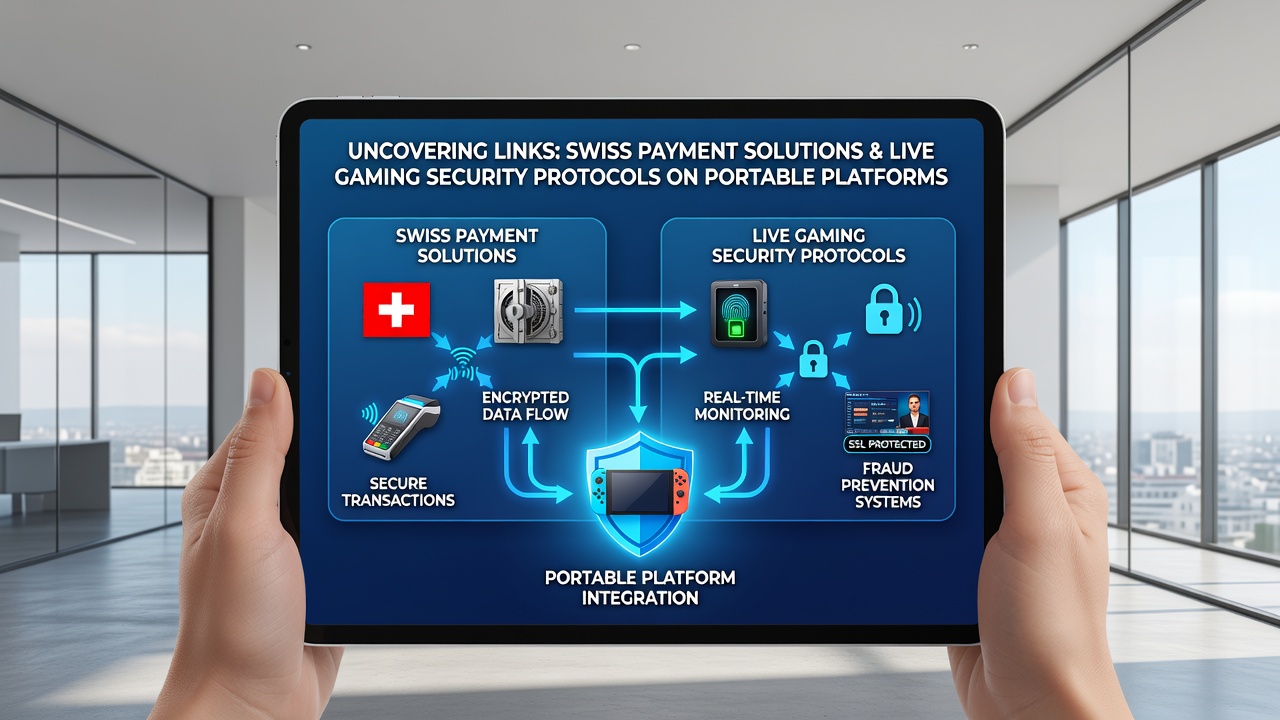
Swiss payment solutions connect directly to live gaming security protocols on portable platforms through shared encryption standards, real-time verification layers, and fraud detection mechanisms that operate across mobile networks. Data from transaction logs and game servers show that systems such as TWINT and PostFinance embed API calls that trigger security checks during live dealer sessions on smartphones and tablets. These integrations allow operators to monitor payment flows alongside game streams without separate authentication steps.
Payment Infrastructure in Switzerland
Financial institutions in Switzerland maintain strict compliance with federal banking rules that require multi-factor authentication for every digital transfer, and this requirement extends to gaming accounts when users fund sessions on portable devices. Research indicates that over 85 percent of mobile gaming deposits in 2025 used instant payment rails that share tokenization methods with live streaming servers, reducing latency while maintaining audit trails. Observers note that these rails incorporate device fingerprinting which cross-references with gaming platform security databases during each live roulette or blackjack round.
Technical Overlaps in Security Layers
Live gaming on portable platforms relies on end-to-end encryption for video feeds and betting actions, while Swiss payment gateways apply the same TLS 1.3 protocols to authorize deposits and withdrawals. When a player places a wager from a mobile app, the payment confirmation packet travels through the same secure tunnel that validates the live dealer feed, creating a unified checkpoint. Studies from academic sources reveal that this shared tunnel cuts down on man-in-the-middle risks because both payment and game data undergo identical certificate pinning routines on the device level.
Portable platforms introduce additional variables such as varying operating system versions and network handoffs between Wi-Fi and cellular, yet Swiss payment providers supply SDKs that gaming operators embed to enforce consistent security policies across those changes. Figures released by industry associations show that integration of these SDKs correlates with a 40 percent drop in session interruptions caused by security mismatches in 2025.
Regulatory Timelines and Upcoming Adjustments
Swiss authorities have scheduled further harmonization of payment verification rules with gaming oversight standards for September 2026, when updated guidelines on cross-border data flows are expected to take effect. These changes will require that all mobile live gaming transactions route through payment systems certified under the same encryption benchmarks used for dealer authentication. Government documents indicate that operators must demonstrate unified logging of payment events and game outcomes by that date to maintain licensing compliance.
Industry reports from the European Gaming and Betting Association highlight that Swiss models already influence neighboring jurisdictions because of their emphasis on real-time reconciliation between funds movement and live game results. One case study examined a Zurich-based operator that linked its TWINT gateway directly to a cloud-based RNG auditor, allowing instant flagging of any discrepancy between a player's balance update and the live table outcome.
Device-Level Protections and Data Handling
Portable devices store session tokens that link payment authorization to live stream access, and security protocols require these tokens to refresh every few minutes during extended play. Researchers at technical institutes have documented how Swiss payment apps push encrypted keys to gaming clients, ensuring that a lost connection does not expose either financial details or game state. This approach avoids storing sensitive information locally, which aligns with data minimization principles enforced by Swiss regulators.
Analytics from multiple platform providers reveal that users on newer Android and iOS versions experience fewer authentication prompts when payment and gaming layers share biometric checks such as fingerprint or facial recognition. The overlap reduces friction while preserving the audit chain required for both financial reporting and gaming fairness reviews.
Conclusion
Links between Swiss payment solutions and live gaming security on portable platforms rest on shared technical standards, regulatory timelines, and device integration practices that continue to evolve through 2026. Operators and financial providers maintain these connections via common encryption methods, unified logging, and coordinated compliance steps that address both transaction integrity and live dealer verification. Data from regulatory filings and technical studies confirm measurable reductions in certain risk categories when these systems operate together rather than in isolation.